Robotic Mowers
FILTERS
Robotic Mowers
Robotic mowers & Professional Installation in Kent
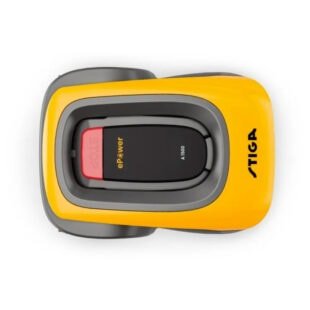
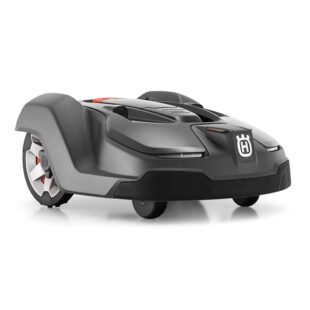
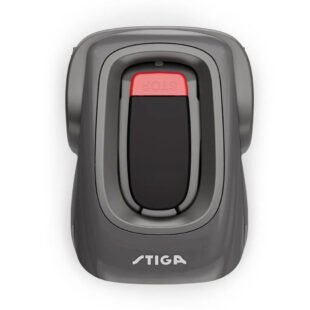
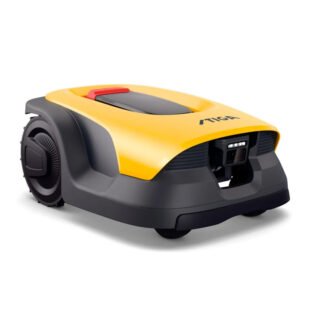
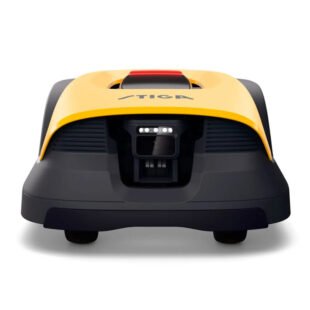
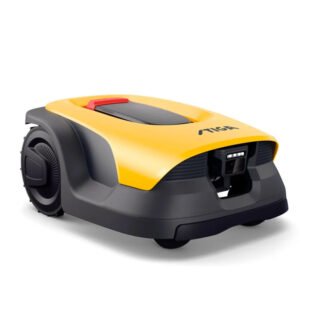
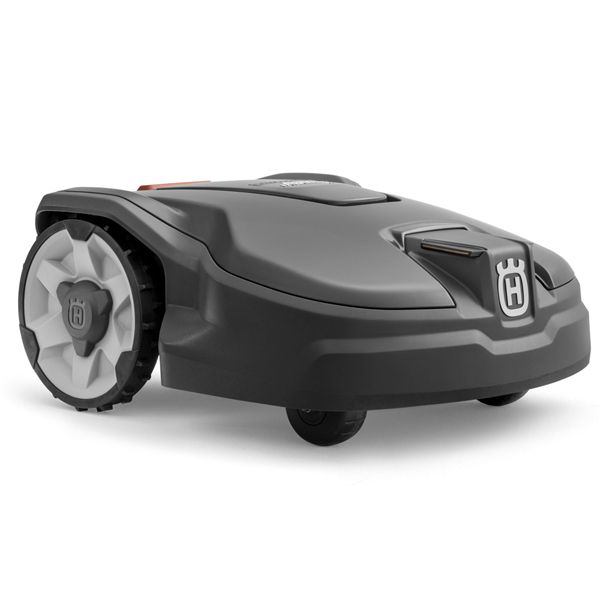
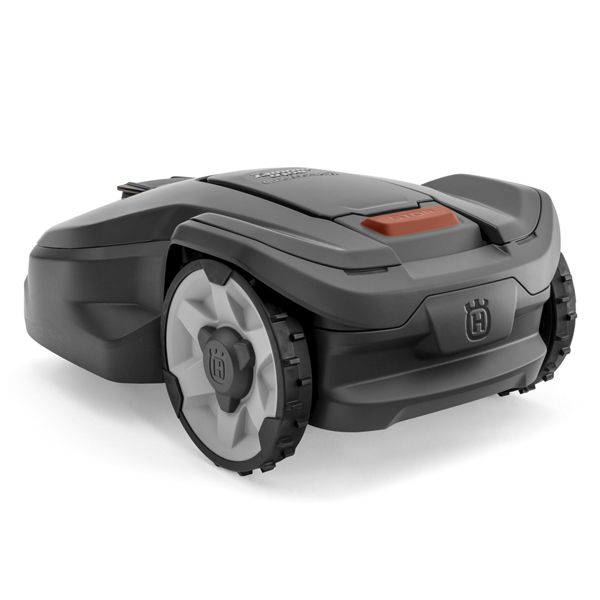
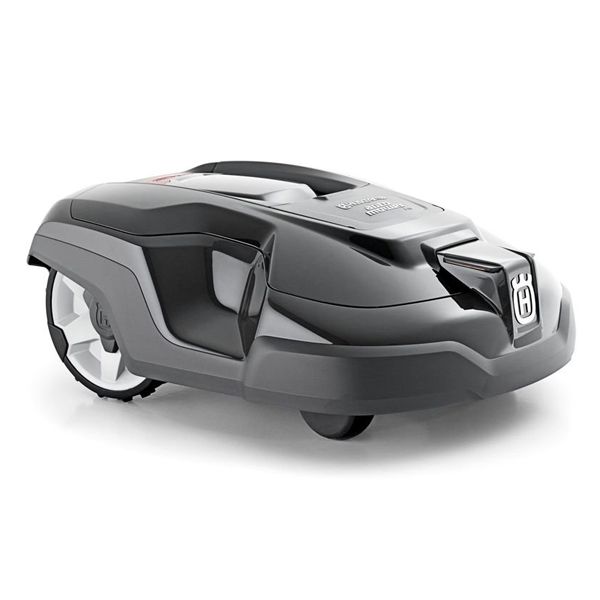
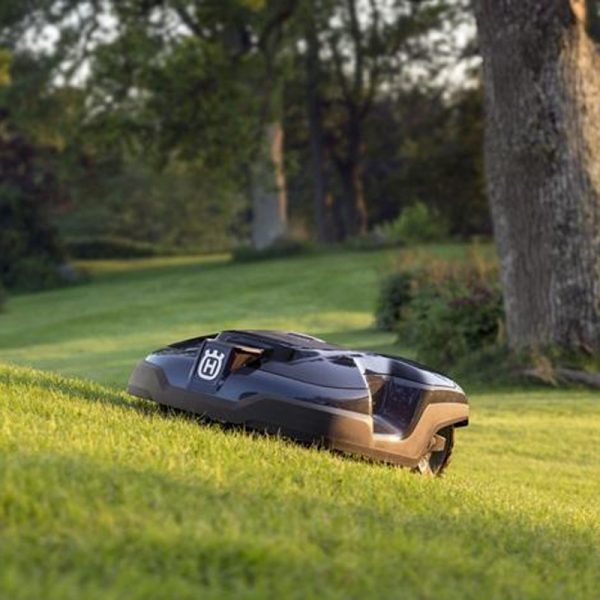
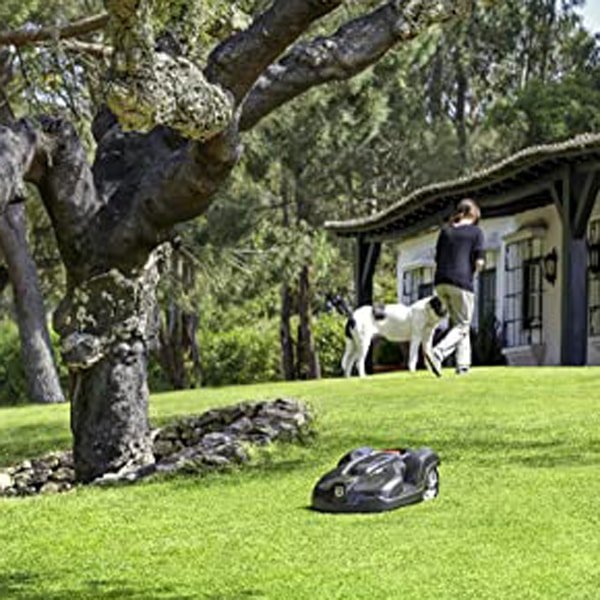
Imagine a perfectly manicured lawn 365 days a year without ever lifting a finger. At Godfreys, we are a leading specialist for robotic lawnmowers in the Sevenoaks area and across Kent. We don’t just sell the world’s best autonomous mowers from Husqvarna and Stiga; we provide the local expertise to ensure they perform perfectly on your unique terrain.
Robotic Lawnmowers Professional Installation in Kent
Choosing the Right Technology: Boundary Wire vs. GPS Navigation
1. Boundary Wire Robotic Mowers
Most robotic mowers, including many in the Husqvarna and Stiga range, use a perimeter wire. This wire is either pegged to the surface or professionally buried by our team. It creates a physical loop that the mower detects via sensors.
Best For: Gardens with heavy tree cover, narrow side-passages, or properties where a clear view of the sky is blocked by tall buildings or “urban canyons.”
Pros: Extremely reliable; signal is never lost due to weather or satellite position; generally more cost-effective.
Cons: If you do extensive flowerbed edging or gardening, there is a small risk of cutting the wire (though Godfreys offers a rapid repair service).
2. GPS & RTK Wireless Mowers
The newest generation of mowers uses RTK (Real-Time Kinematic) GPS technology. Instead of a wire, these mowers use a reference station on your roof or in the garden to achieve centimetre-level accuracy.
Best For: Large, open estates, sports pitches, or complex landscapes where you frequently change the layout of flowerbeds or garden features.
Pros: No wires to bury; easy to change the mowing area via a smartphone app; allows for “systematic” mowing (straight lines) rather than random patterns.
Cons: Requires a constant, clear line-of-sight to the sky and the reference station. Signal “blind spots” under thick tree canopies can cause the mower to stop.
Why Expert Installation Matters
Regardless of the technology you choose, the success of a robotic mower depends on the setup. A GPS mower needs a perfectly placed antenna, and a wired mower needs a loop design that avoids interference.
Frequently Asked Questions About Robotic Lawnmowers
Q: How do Automowers know where to go?
Robotic mowers are guided by either a physical boundary wire buried just below the surface or GPS/RTK satellite technology. At Godfreys, we offer a professional installation service where our technicians map your garden to ensure the mower avoids flowerbeds, ponds, and driveways while covering every inch of your lawn.
Q: Do I need to bury the wire myself?
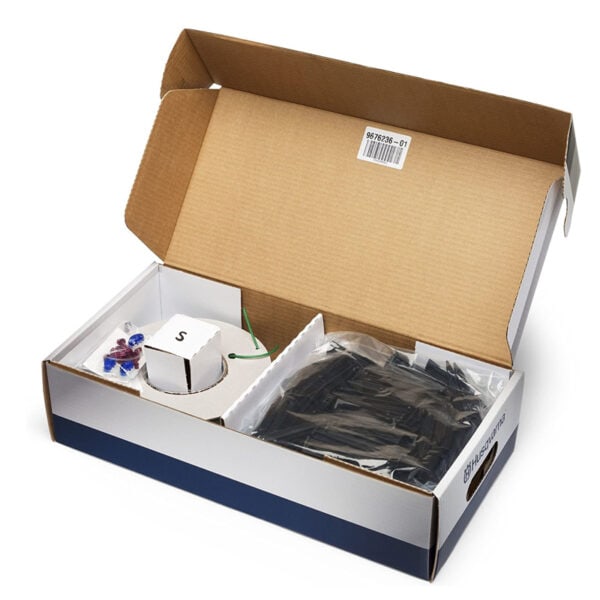
While DIY kits are available, most of our customers prefer our Professional Installation Service.
Q: What happens to the grass clippings?
Robotic mowers are mulching specialists. Because they mow frequently (often daily), they cut only tiny “micro-clippings” that fall into the soil. These clippings break down quickly, acting as a natural fertilizer that returns nitrogen and moisture to your lawn, resulting in a greener, healthier garden.
Q: Can Automowers mow in the rain?
Most modern robotic mowers are designed to be out in the rain. However, they are equipped with rain sensors; if it becomes a downpour, the mower will intelligently return to its docking station to prevent “churning” the wet soil, resuming work once the weather improves.
Q: Is it safe for children and pets?
Yes. Robotic mowers are equipped with highly sensitive tilt and lift sensors. If the mower is tipped or lifted, the blades stop rotating instantly (in less than a second). Additionally, the blades are tucked far underneath the chassis, well away from the outer edge of the machine.
Q: What about theft?
Robotic mowers are very difficult to steal and use. They are protected by PIN codes, alarm systems, and GPS tracking. Most models are “paired” to their specific charging station; if removed from your property, the mower becomes completely non-functional.