Play Video

Silky

Silky

Silky Professional Japanese Pruning Saws | Godfreys Sevenoaks

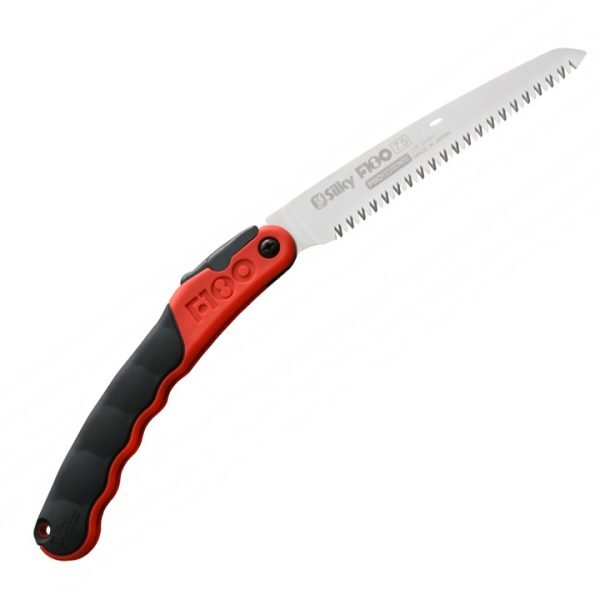
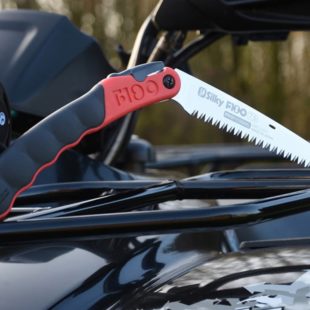
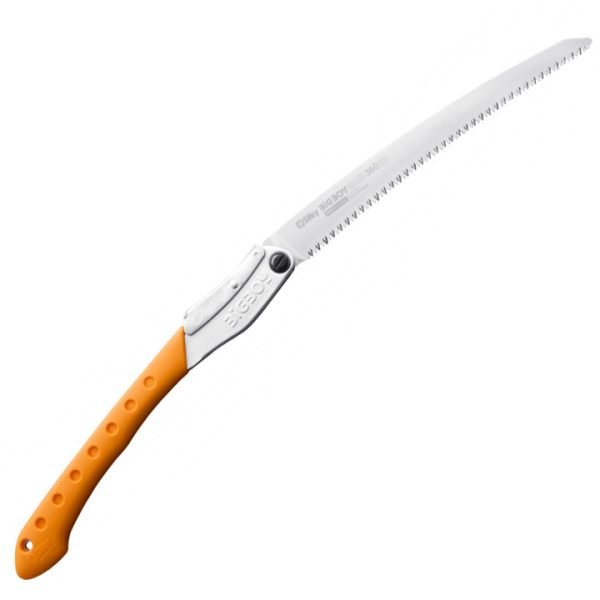
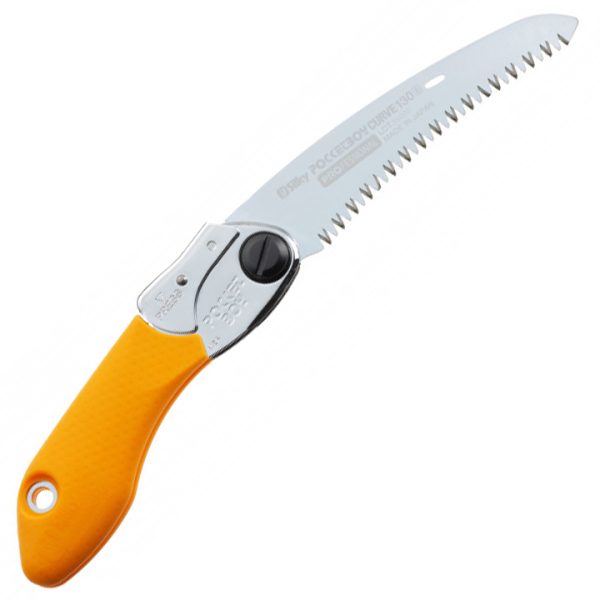
Discover the world’s finest pruning saws at Godfreys of Sevenoaks. Silky Saws are the industry standard for arborists, landscapers, and outdoor enthusiasts, renowned for their legendary ‘pull-stroke’ cutting action and chrome-plated Japanese steel. From the iconic Silky Bigboy and Gomboy folding saws to the high-reach Hayauchi pole saws, we stock the full range of Silky tools and replacement blades. Experience the cleanest, fastest cut in the industry—available for fast UK delivery or in-store pickup at our Sevenoaks showroom.

Stock Status
Stock Status

Silky

Silky

Why Professionals Choose Silky:

Mirai-Me Technology: The teeth of a Silky saw are set in a way that creates a ‘surgical’ cut. This leaves a smooth surface on the wood, which prevents water from pooling and protects the tree against fungal infections and decay.

Impulse-Hardened Teeth: The tips of the teeth are heated and hardened, meaning they stay sharp three times longer than non-hardened saws.

Non-Set Teeth: Unlike traditional saws, Silky teeth are not “set” (bent outwards). Instead, the blade is taper-ground, which reduces friction and allows for a faster, easier pull-stroke.

Authenticity Matters: How to Spot a Fake Silky Saw

Because Silky Saws are the gold standard for arborists, the market has unfortunately seen an influx of counterfeit “Japanese-style” saws. Using a fake is not just a waste of money; it is a safety risk, as inferior steel is prone to snapping under tension.

When buying from Godfreys of Sevenoaks, you are guaranteed 100% genuine Japanese imports. Here is what to look for:

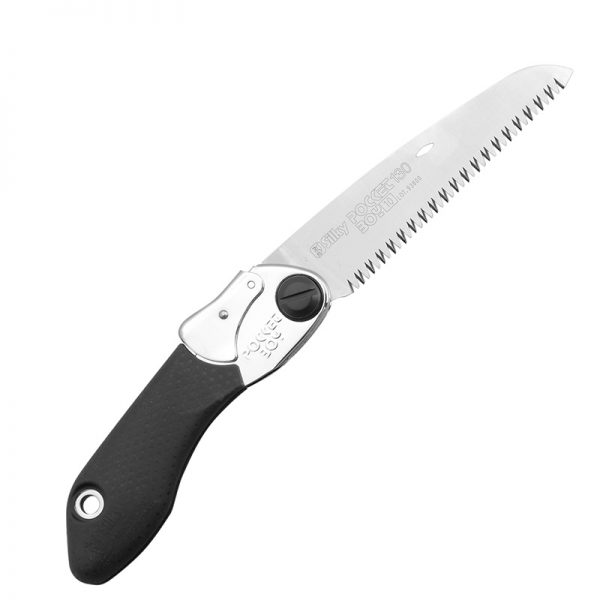
  • The Mirai-Me Teeth: Genuine Silky teeth are “taper-ground” and non-set. If you look down the spine of the blade, the teeth should not flare out to the sides. Fakes often have “set” teeth like a standard DIY saw.

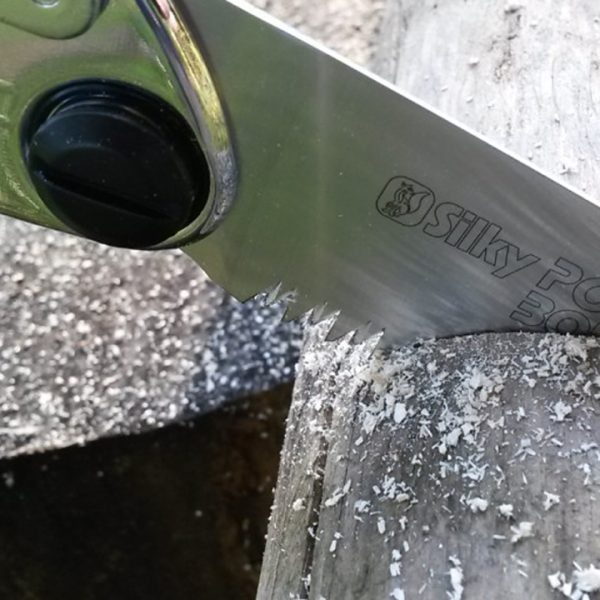
  • The Chrome Finish: Silky uses a unique hard chrome plating to reduce friction and resist resin. Genuine blades have a mirror-like, smooth finish. Fakes often look dull or have a “brushed” steel appearance.

  • The Logo & Markings: Genuine blades have the model name and “Made in Japan” etched clearly into the steel—not just printed on.

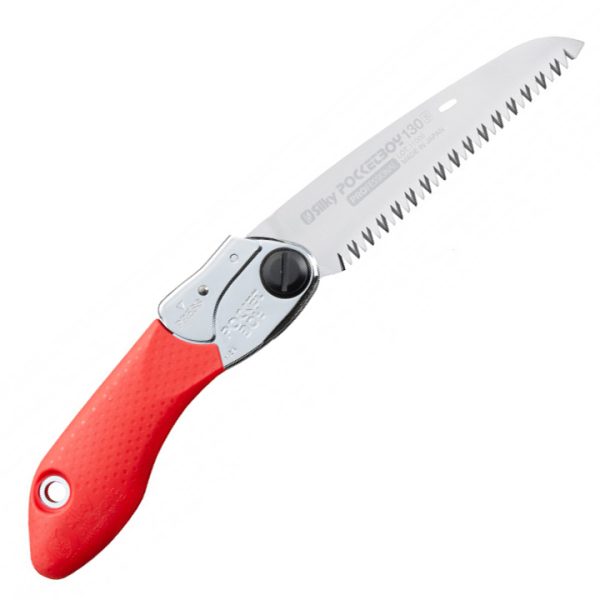
  • The Handle Material: Silky’s GOM rubber handles are designed to absorb vibration and remain “tacky” even when wet. Counterfeit handles often feel like hard, slippery plastic.

Cleaning Silky Blade

Wood resin and sap act like glue, filling the gaps between the teeth and increasing friction.

  1. Avoid Wire Brushes: These can damage the hard chrome plating.

  2. Use Resin Solvent: We recommend a specialist resin cleaner or even a household citrus-based cleaner.

  3. The “Olive Oil” Trick: Many professional arborists use a drop of olive oil to dissolve pine sap safely without damaging the rubber handles.

Replacing the Blade

Most Silky saws (like the Gomboy, Pocketboy, and Zübat) feature impulse-hardened teeth. While these stay sharp 3x longer than standard saws, they cannot be sharpened with a file.

  • When to replace: If the “tips” of the teeth no longer feel needle-sharp to the touch, or if the chrome plating has worn away significantly.

  • Godfreys Support: We stock genuine replacement blades for every model we sell. Swapping a blade takes less than 60 seconds with a simple screwdriver or coin.

Silky Saws: Your Questions Answered

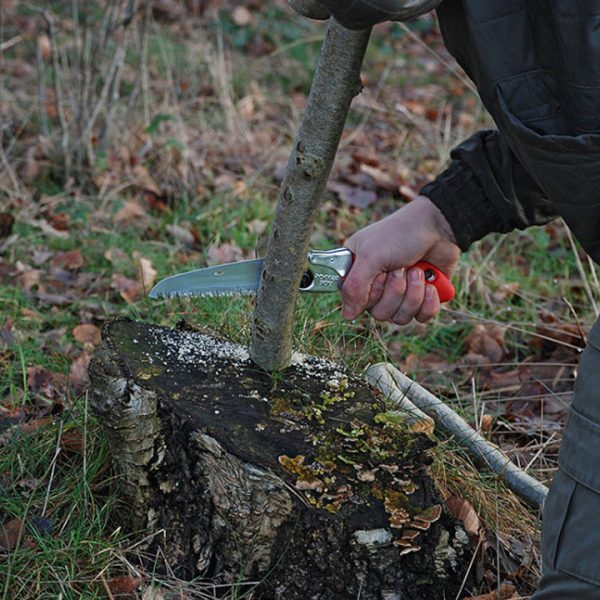
Japanese saws are designed to cut on the pull-stroke. This allows the blade to be thinner and harder because it is under tension during the cut, preventing it from bending or “buckling.” The result is a much narrower kerf (cut width) and significantly less effort required from the user.

Only Silky saws with non-hardened teeth (like the Masaru or Hayauchi) can be sharpened with a special Silky feather file. Most modern folding saws like the Gomboy and Bigboy have impulse-hardened teeth, which are too hard to be filed. For these models, we stock genuine replacement blades at our Sevenoaks store, which are easy to swap out.

The tooth pitch (number of teeth per 30mm) determines how the saw interacts with different types of wood:

  • Large/Extra Large Teeth (6.5 – 8 per 30mm): Best for “green” or soft wood. The large gullets between the teeth clear out wet sawdust quickly, preventing the saw from clogging.

  • Medium Teeth (10 per 30mm): The perfect “all-rounder” for general pruning and dry wood.

  • Fine/Extra Fine Teeth (13 – 26 per 30mm): Designed for hard, dry timber or precision bamboo work. These provide an incredibly smooth finish with zero splintering.

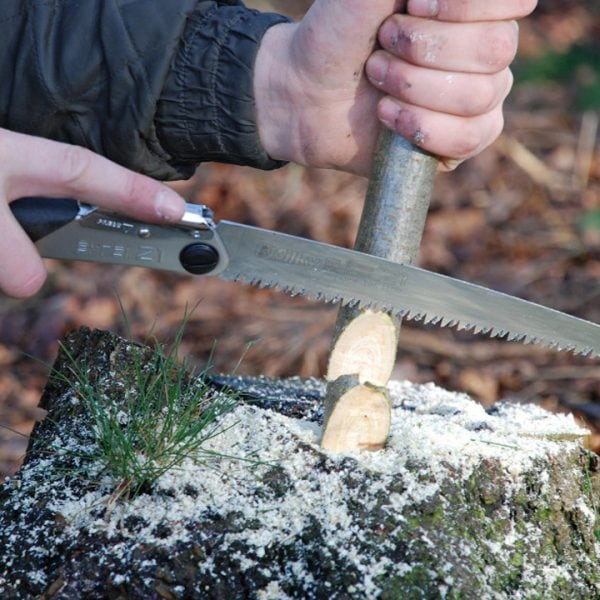
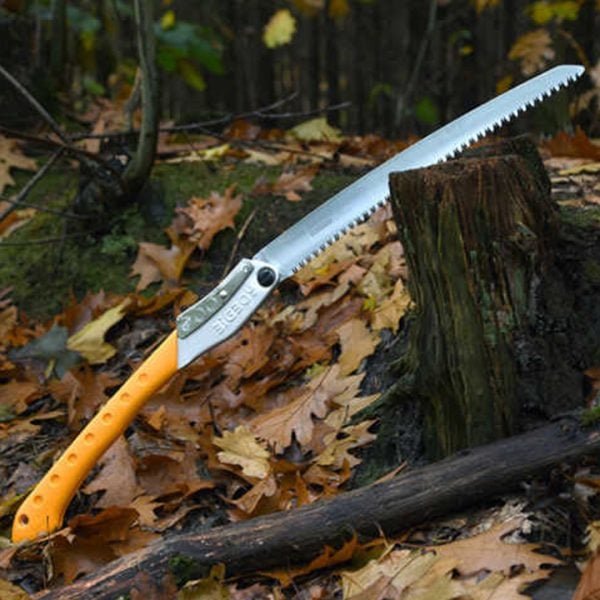
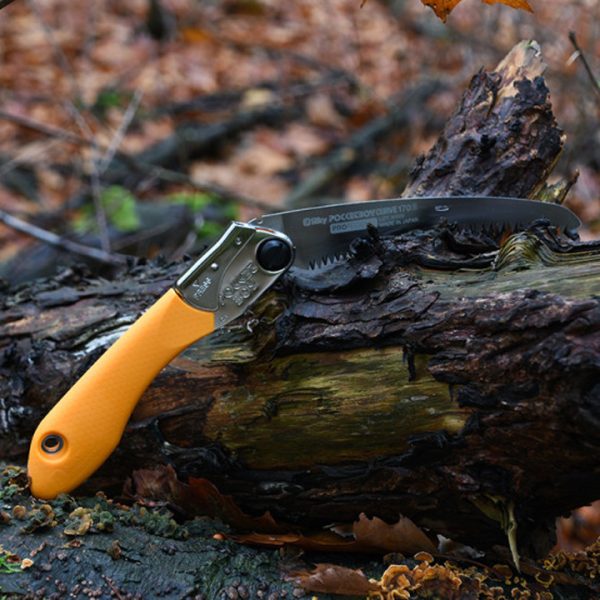
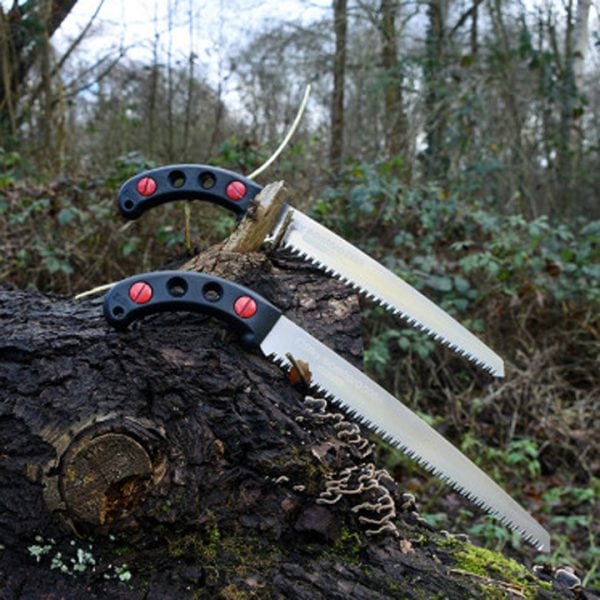
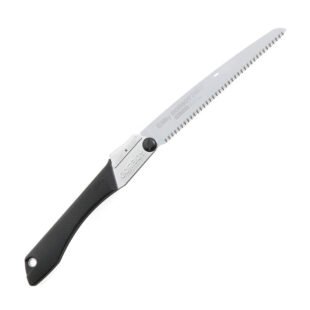
Absolutely. In fact, the Silky Gomboy and Bigboy have become the gold standard in the bushcraft community. Because they cut on the pull-stroke, they are much safer to use when tired and require significantly less energy than traditional Western saws. For camping, we recommend the Gomboy Curve as it handles various wood types and diameters with ease.

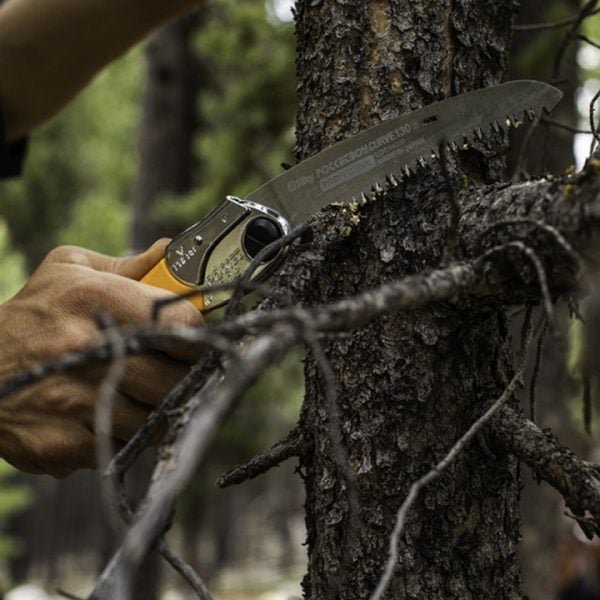
Silky blades are made of high-carbon Japanese steel, which is incredibly hard but also less flexible than cheaper, softer steels. Snapping almost always occurs when the user applies pressure on the push-stroke. Remember: the saw only cuts when you pull it toward you. If the blade “binds” in the wood, never force it forward. Simply clear the debris and resume the pull-stroke.

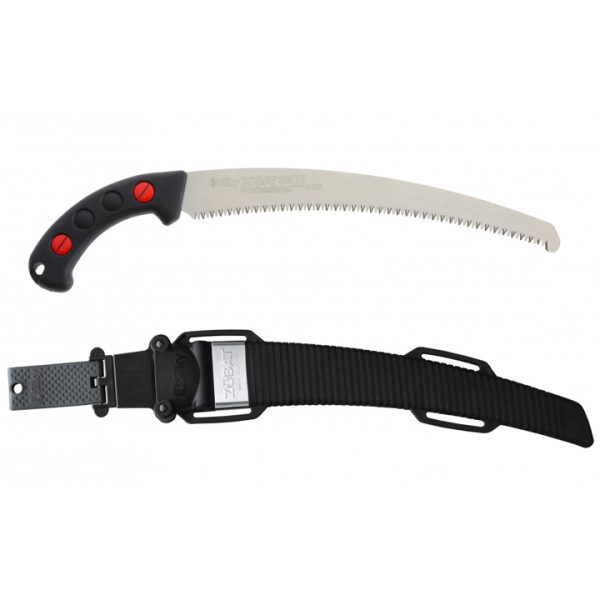
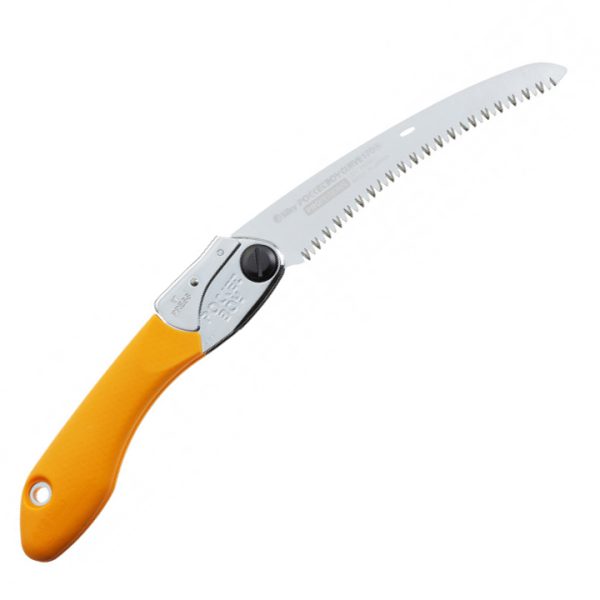
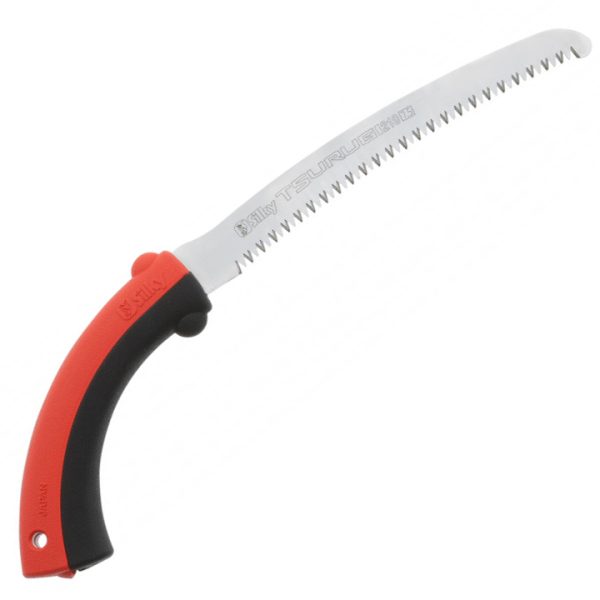
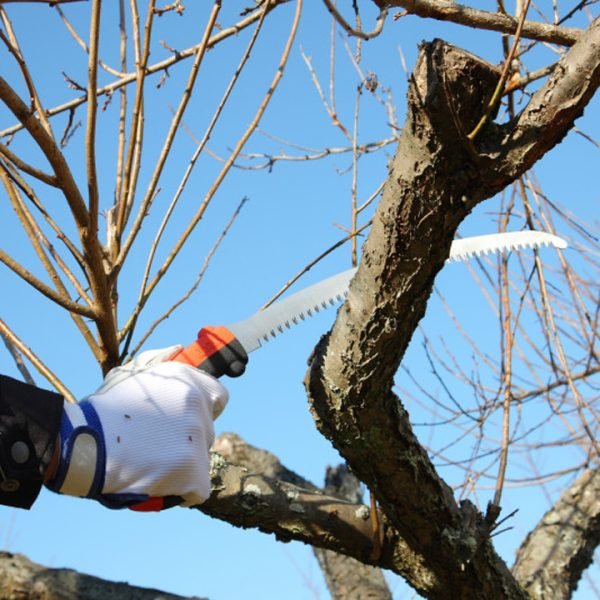
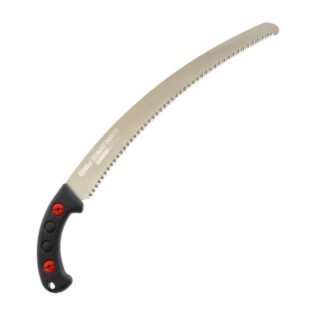
  • Curved Blades (e.g., Zübat, Sugoi): These are designed for cutting above shoulder height. The curve naturally “bites” into the wood as you pull down, making them faster for arborists working in trees.

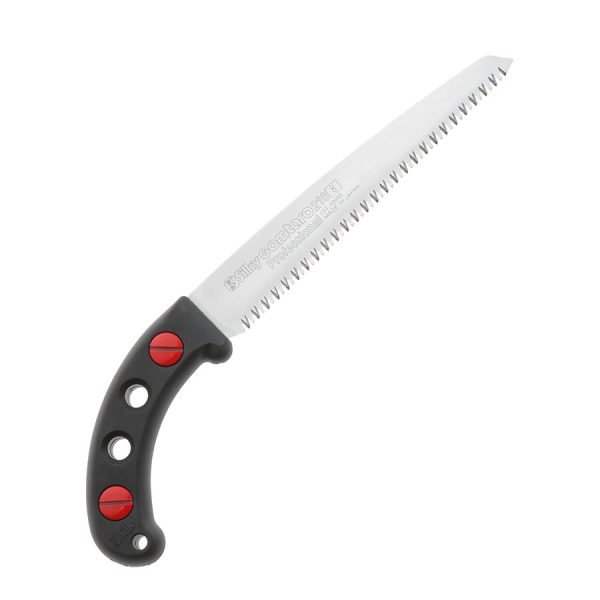
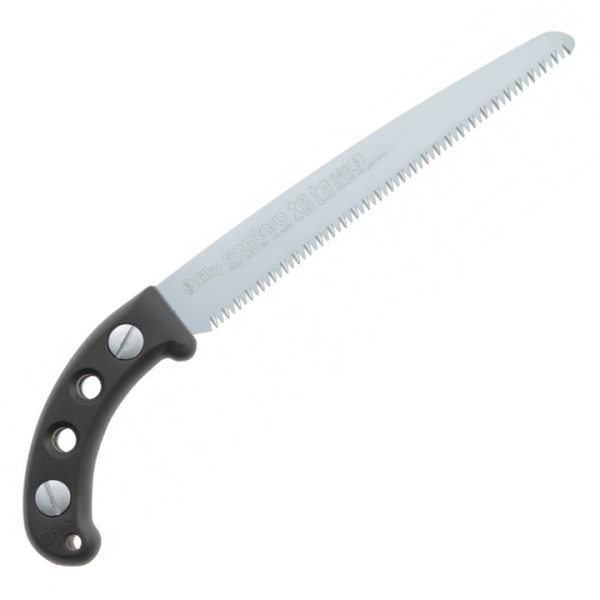
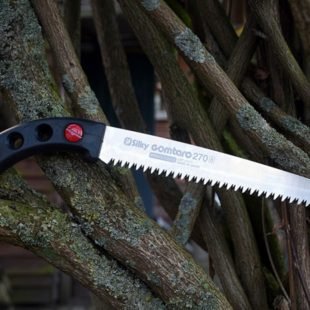
  • Straight Blades (e.g., Gomtaro, Gomboy): These offer more precision. They are better for pruning below shoulder height or for making clean, technical cuts where accuracy is more important than raw speed.